
Fusion bonded epoxy coated TMT in use
IS 13620 · ASTM A775 Barrier coating, tested before dispatch
Why FBEC

Why engineers specify NS Epoxy FBEC

Fusion bonded epoxy puts a continuous barrier between steel and the moisture, chlorides and chemicals that cause corrosion. Our process control is what keeps that barrier consistent across every bar we supply.

Barrier film Keeps chlorides and moisture off the steel
200–300 µm Held within IS 13620 coating limits
Lot tested Thickness, holiday, bend and adhesion
See the advantages
Advantages

Six reasons to specify FBEC

01

Barrier protection

A continuous fused film keeps chlorides and moisture away from the steel — where it matters most: coastal, submerged and chemical exposure.

02

Controlled coating thickness

Held at 200–300 microns, within IS 13620 limits. Thin spots cut protection; thick spots cut flexibility.

03

Tested before dispatch

Thickness, holiday, bend and adhesion checks on every lot, traceable to your consignment.

04

Repairable on site

Cut ends and handling damage are sealed with the patch compound we supply, restoring protection before concreting.

05

Capacity and stock

More than 4000 MT of coating capacity per month and ready stock in 8mm–32mm. Cut & bend and job-work coating of your own steel also available.

06

Delivery

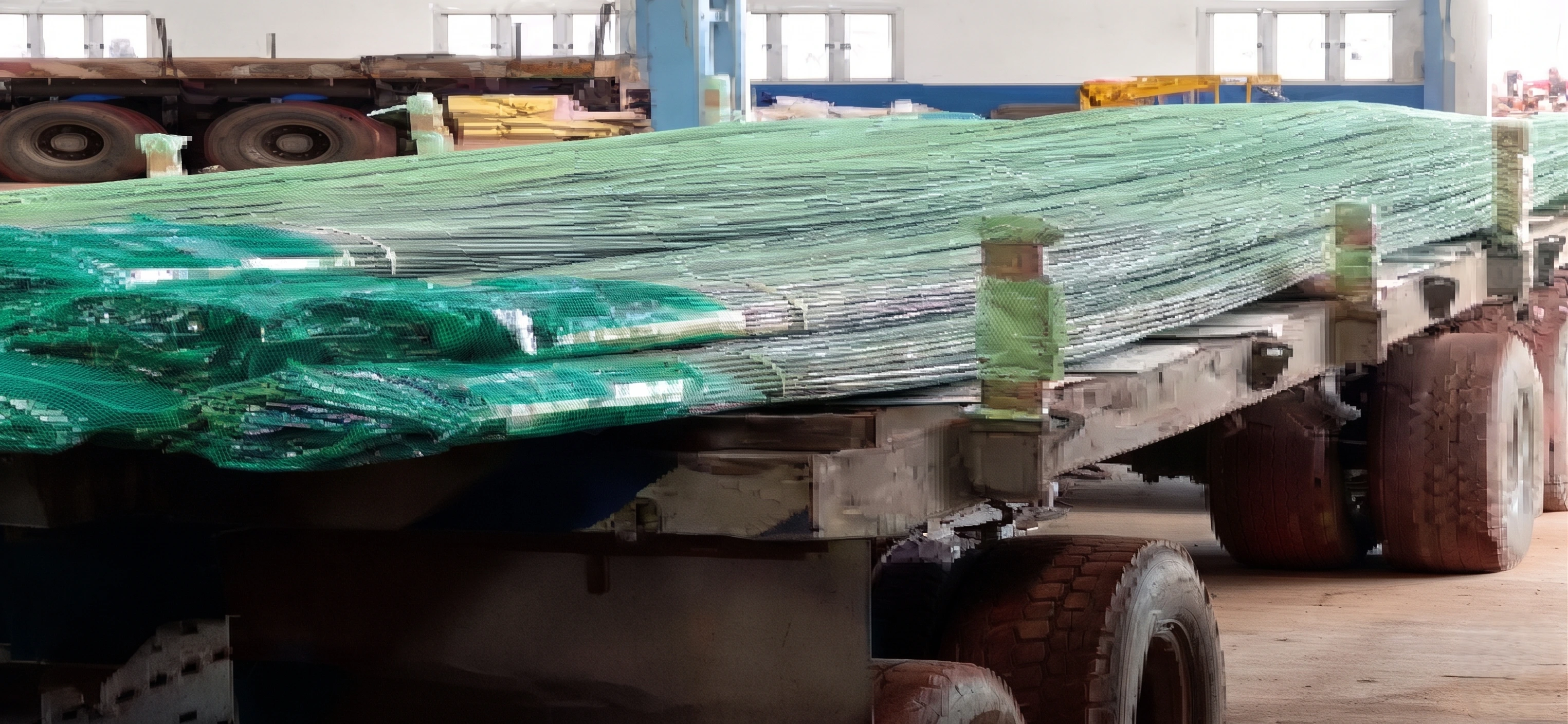
Our own fleet of trucks, with handling practices that protect the coating in transit.

Handling epoxy coated TMT on site
Site care Protect the coating from lift to pour
On site

Getting the most from FBEC on site

A few handling habits keep the barrier intact through storage, fixing and concreting.

  1. 01
    Lift carefully Use nylon slings; never drag bars across the ground or over edges.
  2. 02
    Store covered Keep bundles off the ground, dry and covered until they are fixed.
  3. 03
    Fix with coated accessories Use coated tie wire and plastic chairs so the barrier is not bridged.
  4. 04
    Patch before concreting Seal cut ends and handling damage with the patch compound we supply.
Comparison

More corrosion protection per rupee

Stainless steel resists corrosion but costs several times more. CRS and normal TMT leave the steel exposed. FBEC protects every bar with a fused epoxy barrier, at a moderate premium over normal TMT. For most corrosive environments, that makes it the best-value choice.

Factor FBEC TMT Stainless TMT CRS TMT Normal TMT
How it protects Fused epoxy barrier seals steel off from moisture and chlorides Corrosion-resistant alloy Alloying slows corrosion, doesn’t stop it Concrete cover only
Coastal / chloride exposure Very high Very high Moderate Low
Submerged / wet–dry cycles Very high Very high Moderate Low
Chemical / industrial exposure High — epoxy is chemically inert High Limited Low
Cost Moderate premium over normal TMT Several times normal TMT Small premium Lowest
Life-cycle value Best — fewer repairs, a fraction of stainless cost High protection, high cost Modest gain Lowest upfront, highest repair bill
Design impact Same base grades Fe 500D and Fe 550D — minimal redesign Different standard and grade Same grades Baseline
Quality checks Mill TC + our thickness and holiday testing on every lot Mill TC Mill TC Mill TC
Availability Ready stock in 8mm–32mm; cut & bend available Limited sizes, longer lead times Readily available Readily available
Best for Bridges, coastal, marine, water & sewage, industrial plants Critical landmark structures Mildly corrosive zones Dry inland RCC

Ratings assume the coating is handled and repaired as per IS 13620.

Life-cycle cost

Working in a corrosive environment?

Send us your project details, and we’ll show you how FBEC stacks up on life-cycle cost against stainless, CRS or normal TMT for your specification.